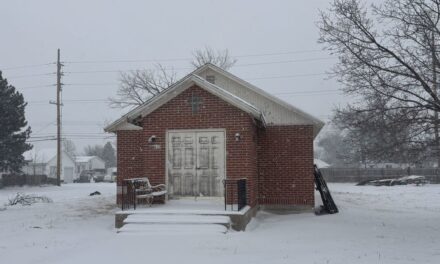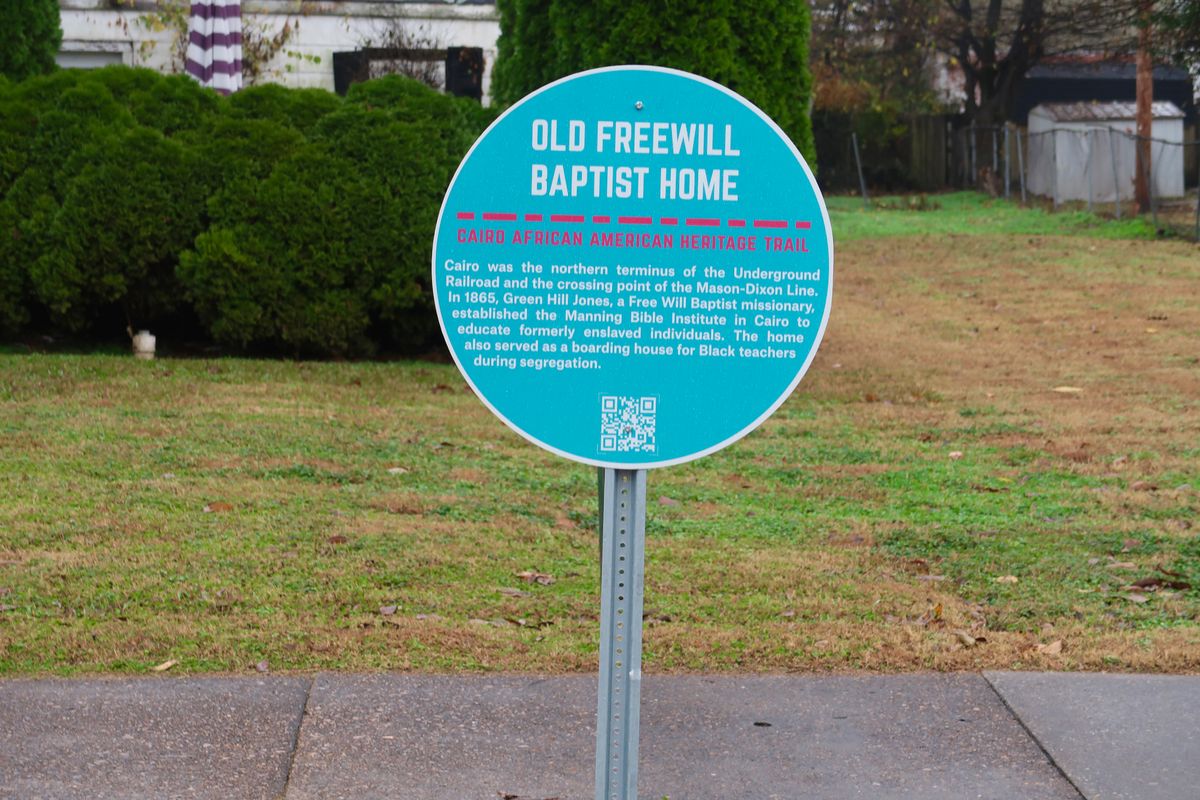
The Cairo African American Heritage Trail and Oral History Project (CAAHT) will launch Friday, Dec. 5, allowing residents and guests to visit specific African American history sites in Cairo, Illinois, and hear stories about the city’s African American history from longtime residents.
According to a news release, Cairo Historical Preservation Project Inc., in partnership with the University of Illinois at Urbana-Champaign and Southern Illinois University at Carbondale, created the project for others to learn about “the history that defines Cairo’s vibrant African American Community.”
Cairo was once a thriving port city with a population of approximately 15,000 in the early 1900s; however, the city and its population have declined since then. Cairo’s African American history includes its role in developing the Underground Railroad, the creation of Fort Defiance during the Civil War and the racial segregation and violence in the 1900s, including the 1909 lynching of William “Froggie” James, a Black man accused of raping and murdering Anna Pelley, a 24-year-old white woman.
Magdalena Novoa, an assistant professor of urban and regional planning at the University of Illinois Urbana-Champaign and a board member of Preservation Illinois Board of Directors, focuses on local histories that have been marginalized, including Cairo. She assisted with CAAHT and said that Cairo is a critical place for learning the extensive history of racial segregation and violence in America, as well as African American struggles for freedom and equality.
“I think that this history, because of how it has basically evolved and unfolded, has made Cairo (be) forgotten many times about the important role that it has played in state history and the country’s history,” Novoa said. “As citizens and as people, it’s important to remember these stories that are marginalized or are made invisible because it helps us to remember the strength that we have as human beings, and also the potential of being able to resist and to fight for our rights.”
Derek Eurales, a bishop and a lifelong resident of Cairo, is one of the locals featured in the oral interviews. He grew up in Cairo when segregation was still in place.
“We weren’t allowed to come to certain areas. We couldn’t go swimming. They closed the swimming pool and built it over with concrete, and put a car wash there, so we weren’t able to go to the swimming pool. We weren’t able to go to certain restaurants. When I graduated from high school in ’69, I guess the Black population had really changed to the point where everyone was equal on the part of where we could go in town, where we could live and where we could shop,” Eurales said. “But that had an effect upon our community because a lot of businesses left, a lot of the factories left and a lot of things were not the same as it was when I was growing up.”