Black diaspora foods nutrition spotlighted during Black History Month
Black diaspora foods nutrition highlights how collard greens, rice, hibiscus, and sweet potatoes reflect cultural history while offering powerful health benefits.
If there is one thing I know for sure, it is that I loooove my culture. I am African American–presenting, but I also carry a mixture of Austrian and New Orleans Creole, with a smidge of Ethiopian, Mexican and Filipino heritage mixed in.
Maybe it’s because of this blend that I’ve always been intrigued by the way food has journeyed and evolved across the diaspora. Add to that the incorrect narrative that Black folks “eat poorly,” and I thought it would be meaningful to use Black History Month to spotlight foods that are native to African American culture and steeped in nutrition.
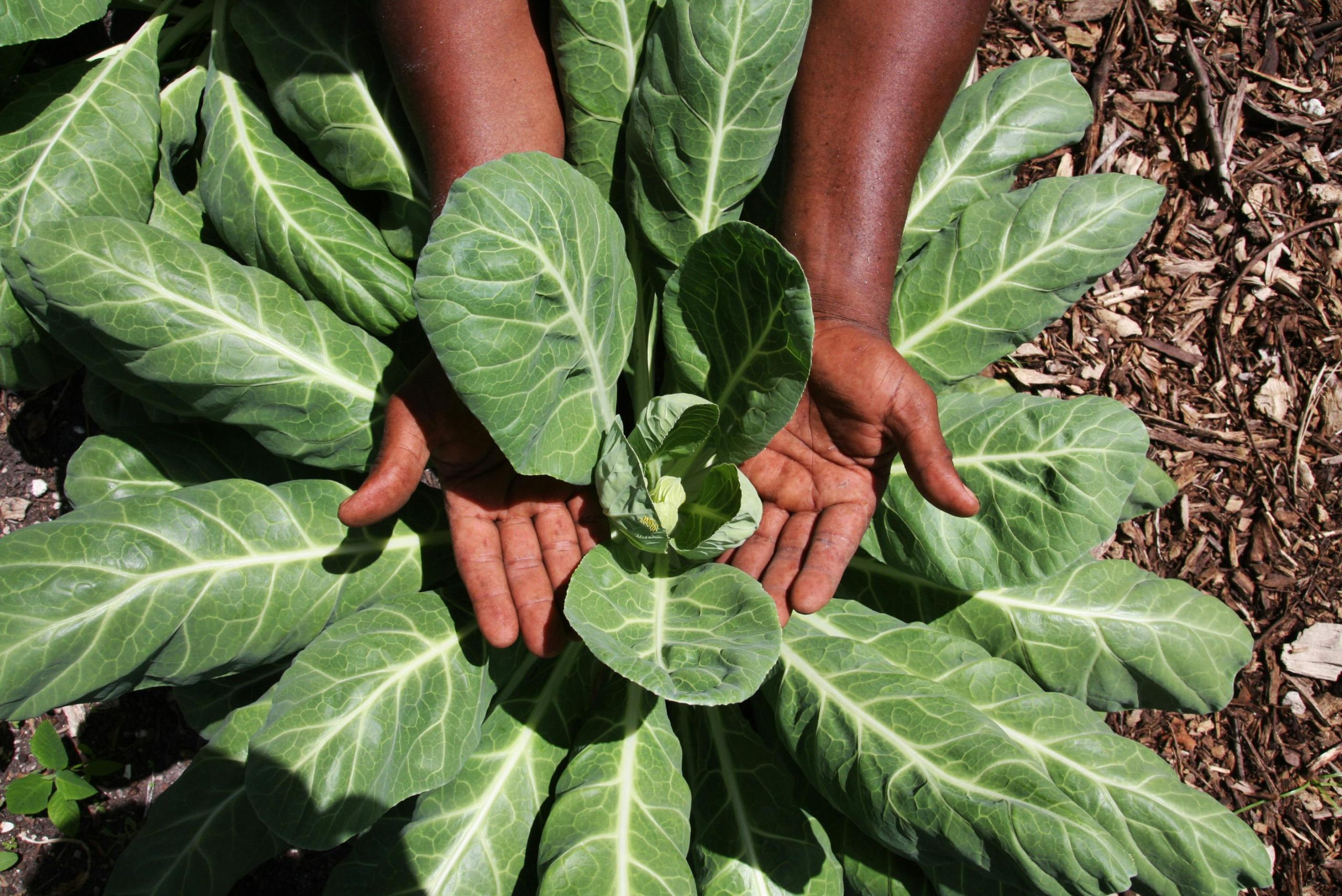
 Dark leafy greens like collards are rich in vitamins, iron, antioxidants, and fiber. Try stir-frying them with garlic and onions or using them as a base for pesto or tabbouleh.
Collard greens
Many families are familiar with the tradition of starting the New Year with a big pot of collard greens. Dark leafy greens of all kinds are high in vitamins, antioxidants, iron, and fiber. The natural bitterness of the plant also supports digestive function, making it an all-around great addition to your regular diet.
Try something new: Instead of slow-cooking your collards (delicious, but a process that can reduce nutrients), explore other ways to enjoy these greens. Try thinly slicing the leaves and stir-frying them with garlic and onions for a flavorful side dish. You can also use greens as a pesto or tabbouleh base, or check out a callaloo recipe like the one below.
Callaloo
A traditional dish made from bitter greens, herbs, and hot peppers – seasonedskilletblog.com/jamaican-callaloo/.
 Rice is a global staple with African and Asian roots. Beyond white rice, experiment with red, black, or jasmine varieties to boost nutrition and flavor.
Rice
Rice is a staple across multiple cultures. While it’s commonly believed to have originated in China about 10,000 years ago before spreading to India and Thailand, there is also a separate African strain dating back roughly 3,000 years.
When Africans were forcibly brought to the Americas, they brought with them the knowledge and expertise of rice cultivation and harvesting. Today, thanks to migration and cross-cultural exchange, we have access to a wide range of rice varieties. Rice is versatile in both color and preparation, and it provides protein, fiber, iron, and B vitamins.
Try something new: Instead of white rice, experiment with other types and colors. There are more than 120,000 varieties of rice globally. Red, yellow, and even black rice are often available locally. Try incorporating short-grain, basmati, jasmine, or sushi rice to expand your options and make meals more fun.
 Hibiscus flowers are packed with antioxidants and anti-inflammatory properties. Enjoy as tea, lemonade, or in creative sauces and baked goods.
Hibiscus
The hibiscus flower is not only gorgeous but packed with goodness. I often recommend hibiscus tea as a natural support for healthy blood pressure, but the plant also has anti-inflammatory, antimicrobial, and liver-supportive properties. It crosses multiple cultures, known as “sorrel” in the Caribbean, “jamaica” in Mexico, and “bissap” in parts of Africa. It is also used traditionally in China, Thailand, Indonesia and Saudi Arabia, among others.
Try something new: While hibiscus is most commonly made into tea, you can also mix it into lemonade, use it in a hot toddy, incorporate it into barbecue sauce, or even bake with it. Get creative!
Yams vs. sweet potatoes
 Though often used interchangeably, yams and sweet potatoes are distinct. Yams originated in Africa. Sweet potatoes are native to the Americas.
Many people think yams and sweet potatoes are the same, but they are completely different plants. Yams originated in Africa and have rough brown skin with a starchier taste. Sweet potatoes are native to the Americas, have smoother skin, and a naturally sweeter flavor.
Although yams were brought to the Americas during the Transatlantic slave trade, they were largely replaced by sweet potatoes. Enslaved Africans referred to sweet potatoes as “nyami,” which made it easier to interchange the two names. The confusion deepened when the USDA allowed Louisiana to label a variety of sweet potato as a “yam,” and the (incorrect) name stuck.
That said, sweet potatoes are incredibly healthy. They aren’t actually potatoes (poor things are all mixed up, lol), but a root vegetable high in fiber, potassium, and vitamins A and C. Their starch content and natural sweetness make them a great substitute for white potatoes, so feel free to use them when that fry craving hits.
Try something new: Purple sweet potatoes are especially nutrient-rich. Their vibrant color comes from anthocyanins, compounds that may support blood sugar balance, gut health, inflammation reduction, and heart health. Try them roasted, baked, boiled, or mashed, and keep the skin on for extra fiber.
Fun food facts
• Yams can be toxic if eaten raw, but they are delicious boiled, roasted, baked or fried.
• There is a strong connection between Mexican red rice (“arroz a la mexicana”) and West African jollof rice. There are also historical links between jollof rice and jambalaya, culinary evidence of forced African migration and cultural survival.
• Dates originated in North Africa and the Middle East and are rich in fiber, magnesium, B vitamins, and natural sweetness, making them a great low-glycemic option.
Learn more about Dr. Ayanna Quamina and her practice at www.drayannaq.com.
Email her directly at info@drayannaq.com.